Professional Grooming Etiquette, Appearance and Interview grooming Dos & Don’ts
What is Professional Grooming?
Professional grooming refers to the set of practices and behaviors that enhance an individual’s appearance, hygiene and overall look in a professional setting. It plays very important role in improving self confidence and is crucial for creating a positive first impression in the workplace and during job interviews.
Difference between different type of Grooming Etiquette
-
Personal Grooming: The daily routines individuals undertake for physical maintenance ex (bathing, hair styling, nail care, skin care). This is essential for self care.
-
Professional Grooming: The application of personal grooming and etiquett to the workplace, aimed at conveying professionalism and respect.
A Note of Caution: The term “grooming” is also used in a unethical context to describe manipulative behaviors used to establish a trusting relationship with a victim and often ”grooming them” for exploitation. It is crucial to be aware of signs of manipulative behavior but today we will learn for grooming in professional settings.
What are Essential Elements of a Professional Appearance?
Professional grooming is not just about clothes, it’s a set of details that conveys respect.
1. Personal Hygiene (very basic but very essential)
-
Maintain regular bathing or showering specially if in the morning you go to gym always take bath after that and use mild perfume.
-
Ensure fresh breath by brushing and flossing teeth twice a day and good smile consists of good teeth.
-
Keep nails clean and trimmed because it gives a bad impression if you have long dirty nails.
2. Appropriate Attire (Dressing)
-
Dress Code: Understand the guidelines set by your organization (e.g. formal business attire, business casual or industry specific clothing) and wear accordingly cause now days companies are getting open to these things now not every company make you wear blazer and pant.
-
Condition: Clothes should always be clean, well fitted, wrinkle free always iron a day before and in good condition.
3. Hair & Facial Grooming
-
Hair should be clean, well maintained and styled appropriately for the workplace trimmed neatly or styled so that you dont look like kabir singh 2.0.
-
If you have facial hair (beard or moustache), it must be neatly well maintained.
Watch this video to trim your beard professionally

4. Posture and Body Language
Professionalism extends beyond physical appearance it is also how you carry yourself among others.
-
Posture: Stand and sit upright to convey confidence avoid leaning back Posture plays a very important role in showing confidence.
-
Manners: Display good manners and etiquette be polite, respectful, listen actively and use appropriate language and tone remember you are there to work and get paid.
5. Accessories and Scent
-
Accessories: Jewelry, watches and belts should be minimal and should suit you. Avoid overly flashy or distracting pieces (make sure that your belts color matches with your shoes color.)
-
Personal Scent: Go for a light, subtle fragrance or cologne Avoid excessive perfume that may bother or distract others.
Difference between Grooming areas for Men and Women
Professional Grooming for Men
| Focus Area | Key Practice |
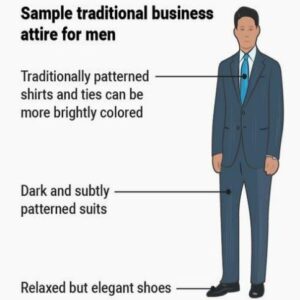
| Attire | Typically involves a suit, dress shirt and tie or appropriate business casual according to your company. Dress shoes should be clean and polished. |
| Facial Hair | Must be groomed and neatly trimmed Ensure the edges are clean and tidy to maintain a polished look you shouldn’t look like Kabir Singh 2.0. |
| Accessories | Ties, belts and watches should complement the outfit like if brown belt make sure to wear brown shoes, ties shouldn’t be very flashy in colors it should be subtle and normal. |
| Body Language | Portray confidence by maintaining an upright posture and confident eye contact dont lean or slouchy. |
Professional Grooming for Women
| Focus Area | Key Practice |
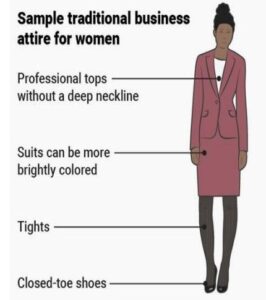
| Attire & Modesty | Choose clothing that is modest and professional. Ensure hemlines and necklines are appropriate for the workplace and as per the industry norms (don’t wear party dresses in offices). |
| Skincare/Hair | Maintain a routine for healthy, radiant skin a good skin adds to your confidence. Choose a hairstyle that is professional and avoids distracting styles. |
| Jewelry | Select minimal and tasteful jewelry. Avoid large or overly flashy pieces that might draw attention away from your intended professional message. (Wear them in Shaadi’s not in offices) |
| Makeup | If wearing makeup aim for a natural “no make up type look”. Avoid heavy or bold styles. |
Professional Grooming for Job Interviews (Dos & Don’ts)
The interview is where your grooming habits are most critical. Dressing appropriately shows respect for the company and the job opportunity and shows that you are truly interested for the company.
✅ Interview DOs
-
Dress Appropriately Wear professional attire a well fitted suit which adds to your confidence that is clean, ironed and in good condition shouldn’t look very old or color is fading invest in a good suit.
-
Maintain Hygiene Be clean and bath daily, Pay extra attention to your hairs (comb them properly), nails and good breath.
-
Polish Your Shoes Ensure your shoes are clean and polished.
-
Keep Makeup Natural If you wear makeup, ensure it is light and natural
-
Maintain Good Posture Stand and always sit up straight in meetings and stand straight as good posture conveys confidence.
-
Carry a Professional Portfolio Bring a good, organized bag or portfolio which has all your document in one place.
❌ Interview DON’Ts
-
Don’t Wear Overly Casual Attire Avoid very tight skinny jeans, T shirts, colorful sneakers or anything too revealing, always check what is your companies dressing policy.
-
Don’t Neglect Hair or Nails Avoid unkempt hair, chipped nail polish or overly long nails.
-
Don’t Wear Excessive Jewelry Avoid large, noisy or distracting accessories.
-
Don’t Overdo Scents Refrain from applying excessive perfume. Strong scents can be distracting.
-
Don’t Slouch Avoid leaning or crossing your arms this can convey disinterest or a lack of confidence.
If you want to know see our full guide on how to crack interviews in first go make sure to read this.
Found a mistake? We work hard to ensure all notes are 100% accurate and as per the latest LU syllabus. If you spot an error, find a missing subject, or have a request, please [click here to let us know]!
By Lu Notes – your trusted for Lucknow University Semester exam notes, crafted with love. ❤️