Sales Promotion & Advertising : Meaning, Tools, Objectives Media, Creation & Agencies
What is Sales Promotion? (Meaning & Definition)
Sales Promotion refers to short-term incentives designed to encourage the purchase or sale of a product or service. It includes all marketing activities—other than personal selling, advertising, and publicity—that stimulate consumer purchasing and dealer effectiveness.
While advertising offers a reason to buy, sales promotion offers an incentive to buy now.
Key Definitions:
Philip Kotler: “Sales Promotion encompasses all the tools in the marketing mix whose major role is persuasive communication.”
American Marketing Association: “Those marketing activities, other than personal selling, advertising and publicity that stimulate consumer purchasing and dealer effectiveness, such as displays, shows and exhibitions, demonstrations and various non-recurrent selling efforts not in the ordinary routine.”
Objectives of Sales Promotion
Sales promotion is used to achieve five major objectives:
Building Product Awareness: It exposes customers to products for the first time (e.g., free samples) and helps capture customer information for future marketing.
Creating Interest: An appealing promotion can significantly increase customer traffic to retail outlets or websites. Allowing customers to experience a product for free creates interest.
Providing Information: Offering free trials or online services helps move the customer to action by providing necessary product information.
Stimulating Demand: Lowering the cost of ownership (e.g., discounts) stimulates sales by convincing customers to make a purchase.
Reinforcing the Brand: Rewards for “preferred” customers (like loyalty points) encourage additional purchases and strengthen the brand relationship.
What are Main Tools of Sales Promotion?
Sales promotion methods are broadly divided into two categories:
1. Consumer Promotion Methods
These are designed to encourage the final consumer to buy the product.
Free Samples: Distributing small amounts of the product for free to induce trial.
Discount Coupons: Certificates that give buyers a saving when they purchase a specific product.
Free Gifts: Offering a free item with the purchase of a product (e.g., “Buy a TV, get a pendrive free”).
Price Reduction: Selling products at a reduced price for a limited time (e.g., “50% Off”).
Contests & Competitions: Giving consumers a chance to win something (cash, trips) by luck or extra effort.
Demonstrations: Showing how a product works at retail stores or door-to-door to prove its value.
Money Back Guarantee: Promising to return the customer’s money if the product doesn’t meet standards, building trust.
After-Sale Service: Offering free maintenance or repairs for a certain period.
2. Dealer (Trade) Promotion Methods
These are designed to encourage dealers and distributors to stock and sell more of the manufacturer’s product.
Advertisement Allowance: Money or materials (posters, signboards) given to dealers to help them advertise the product.
Quantity Discount: Offering price breaks to dealers who buy in large quantities.
Incentives to Salesmen: Prizes or bonuses for dealer sales staff who meet specific targets.
Credit Policy: Allowing dealers to buy goods on credit for a certain period.
Meetings & Seminars: Organizing events to discuss problems and solutions with dealers.
Training: Teaching the dealer’s sales force how to sell the product effectively.
What are Importance of Sales Promotion?
For Manufacturers:
Creates demand for new products.
Increases sales volume, leading to large-scale production and lower costs.
Helps face competition successfully.
For Middlemen (Dealers):
Increases their sales and profits.
Increases their goodwill.
Supplements the work of their own salesmen.
For Consumers:
Provides knowledge of new products.
Offers goods at reduced prices.
Improves standard of living through trials of new items.
What is Advertising?
Advertising is any paid form of non-personal presentation and promotion of ideas, goods, or services by an identified sponsor. It is a powerful communication tool intended to inform, persuade, and remind the target audience.
Key Definitions:
American Marketing Association: “Any paid form of non-personal presentation and promotion of ideas, goods or services by business firms identified in the advertising message intended to lead to a sale immediately or eventually.”
William J. Stanton: “Advertising consists of all the activities involved in presenting to a group a non-personal oral or visual, openly sponsored message regarding a product, service or idea.”
What are Objectives of Advertising?
To Inform: Telling the market about a new product, explaining how it works, suggesting new uses, or informing about price changes.
To Persuade: Building brand preference, encouraging customers to switch to your brand, and persuading them to purchase now.
To Remind: Keeping the product in the customer’s mind during off-seasons and reminding them where to buy it.
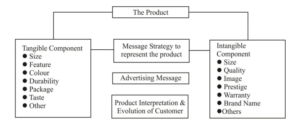
Media of Advertising
The “medium” is the vehicle used to carry the message to the audience.
Press Advertising:
Newspapers: Wide circulation, flexible, and timely. Can be local, state, or national.
Magazines: Better quality reproduction, longer life, and targeted audiences.
Outdoor (Mural) Advertising: Posters, hoardings, and electric signs. Used to remind consumers of the product while they are out of their homes.
Direct Mail Advertising: Sending a personal message in writing through the post directly to selected persons.
Other Media:
Radio & TV: Popular for mass appeal. TV combines audio and visual effects for high impact.
Cinema: Slides or films played in theaters.
Digital/Internet: Social media, websites, and apps (fastest growing medium).
Fairs & Exhibitions: Displaying goods to a large number of visitors.
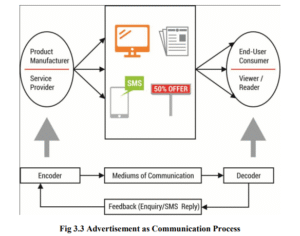
How to Create an Advertisement?
Creating a winning ad requires thinking like an “advertising guru.” Key factors include:
Title & Tagline: A unique product name and an eye-catching slogan (e.g., “Just Do It”) that grabs attention.
Remarkable Design: Layout, pictures, and special effects must be appealing.
USP (Unique Selling Point): Highlight the specific features that make your product a “killer competitor.”
Emotional Connection: Understand consumer psychology—sell “dreams,” comfort, and safety, not just a product.
Target Audience (KYC): Know who you are talking to. Use language and cultural references (Cross-Cultural Intelligence) that resonate with them.
Brand Ambassador: Using celebrities (like film stars or athletes) can increase appeal.
Comparative Advertisement
This involves comparing your product directly or indirectly with a competitor.
Pros: Helpful for customer decision-making, offers variety, and effective for new ventures challenging established brands.
Cons: Must be legal, accurate, and objective. Vague comparisons can damage your brand. “Sell your products, don’t just sell yourself.”
The Advertising Agency
An Advertising Agency is a service business dedicated to creating, planning, and handling advertising for its clients.
Key Tasks of an Agency:
Account Management: Liaising with the client to understand their goals and budget.
Creative Production: Designing the ad (layout, copy, special effects).
Media Planning: Deciding where to run the ad (TV, Print, Digital) to reach the target customer most effectively.
Research: Studying the market and customer to ensure the ad hits the mark.
Agencies can be Full-Service (doing everything), Creative Boutiques (focusing only on design), or Media Buying Agencies (focusing on purchasing ad space).